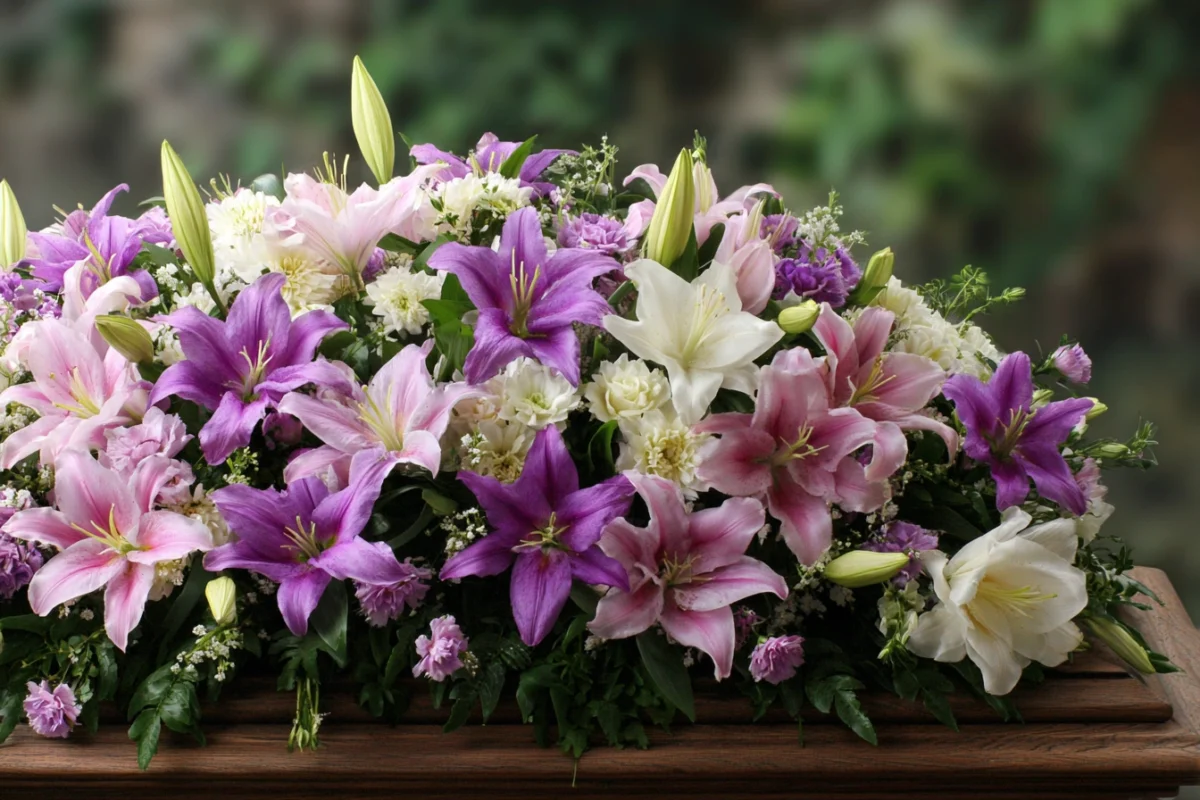

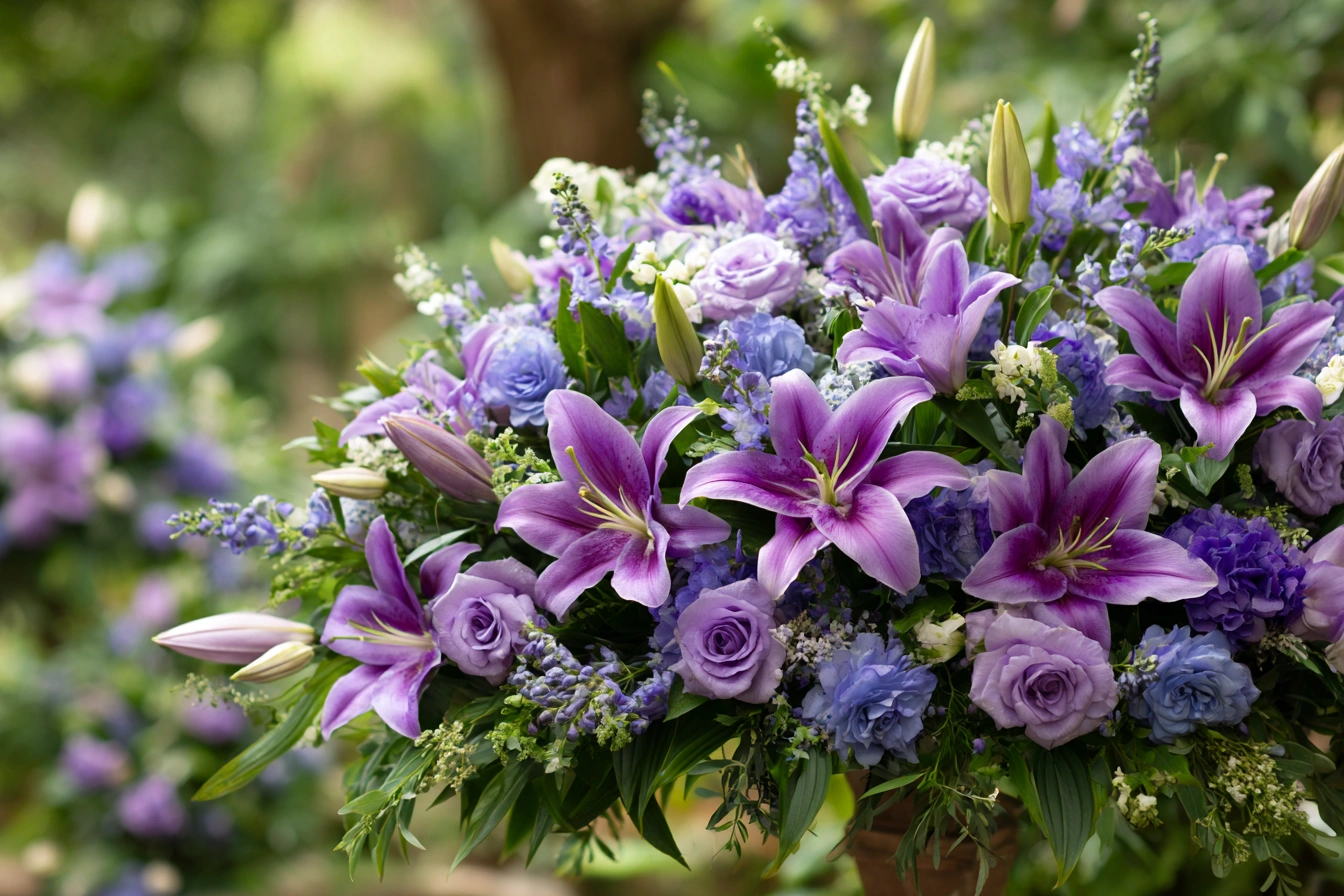
Lilies have long held a significant place in various cultures and traditions, particularly in relation to funerals and rites of passage. Their association with purity, renewal, and the soul’s journey is deeply rooted in both history and symbolism. In many cultures, whites lilies, often referred to as the “flower of the dead,” symbolize the return of the soul to a state of innocence following the loss of a loved one.
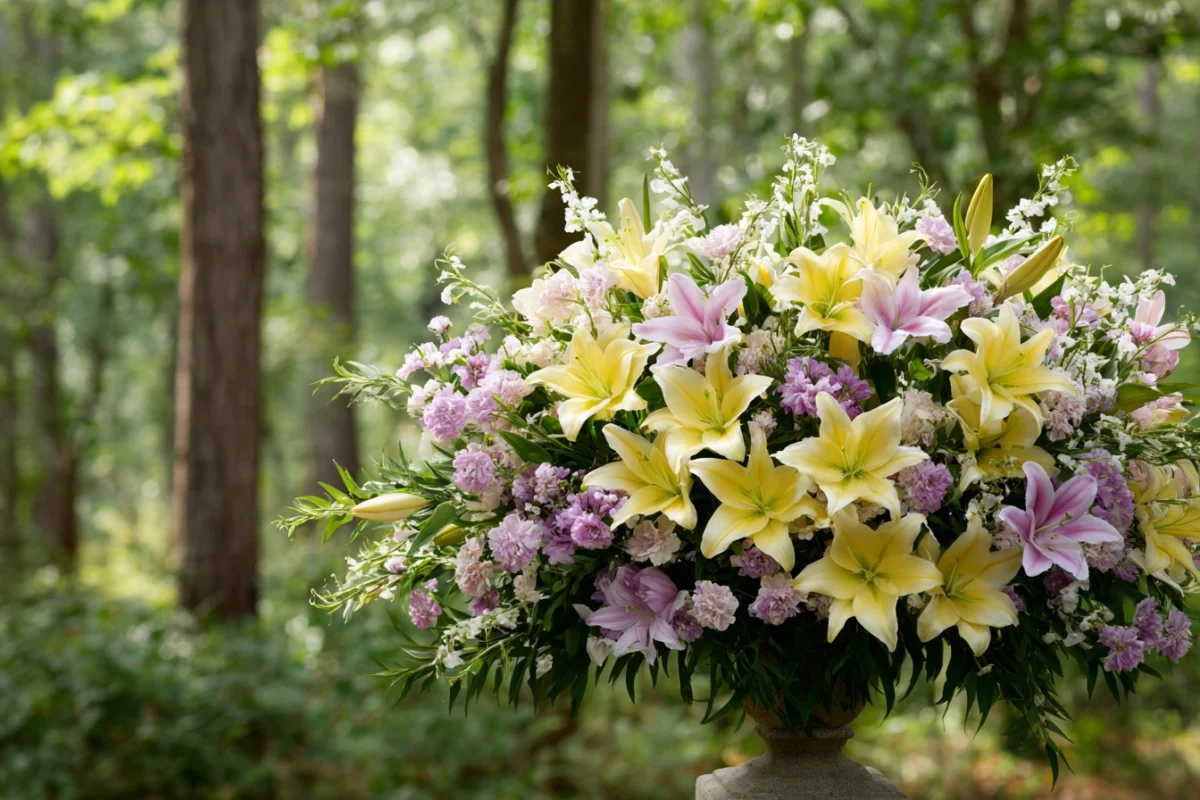
During ancient times, particularly in Egypt, lilies were revered for their beauty and were often used in burial practices as a means to honor the deceased. This practice is observed across many different cultures, signifying the transition from earthly life to the afterlife. Lilies in funeral arrangements are not merely decorative; they convey a deeper message about hope and renewal, providing solace to grieving loved ones.
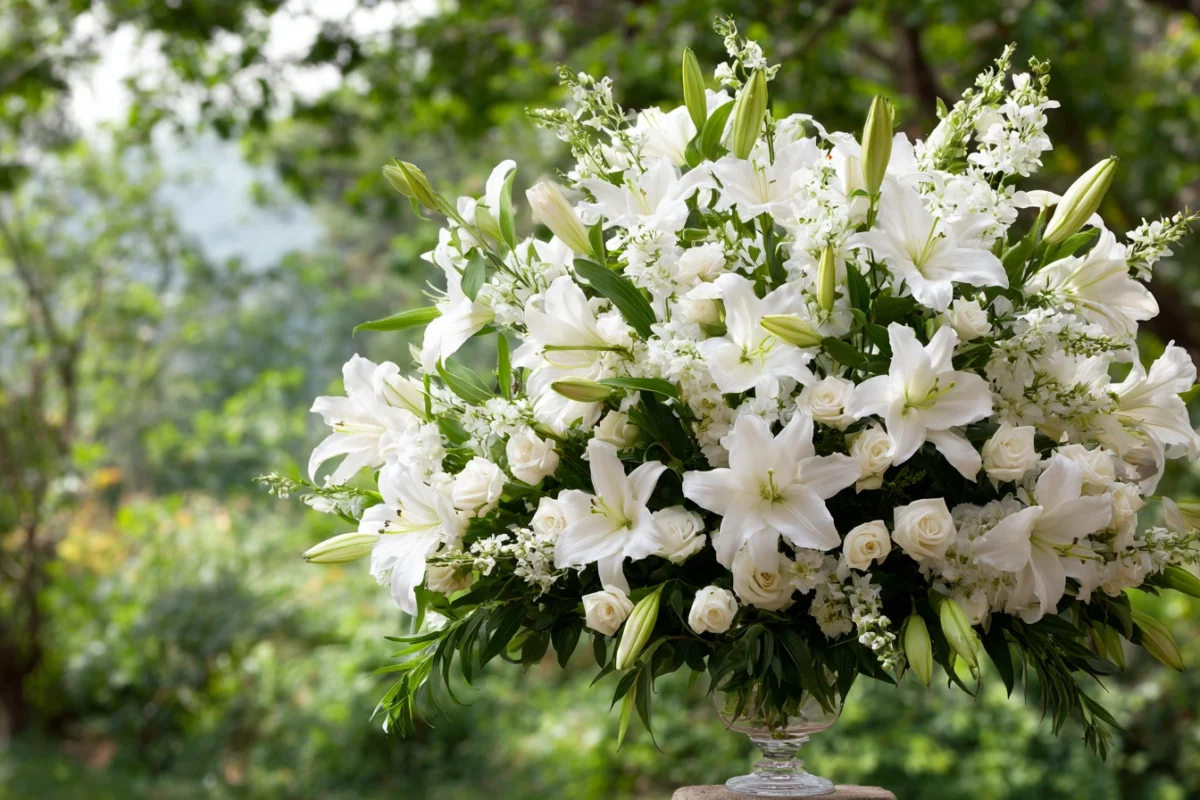
Different types of lilies carry specific meanings within the context of funerals. For instance, the white lily is commonly associated with purity and virtue, while the tiger lily can symbolize passion and devotion. The Easter lily is another significant variety, representing the resurrection and hope for eternal life. Incorporating these flowers into funeral arrangements highlights the many facets of grief and remembrance, allowing families to express their emotions and commemorate the deceased.
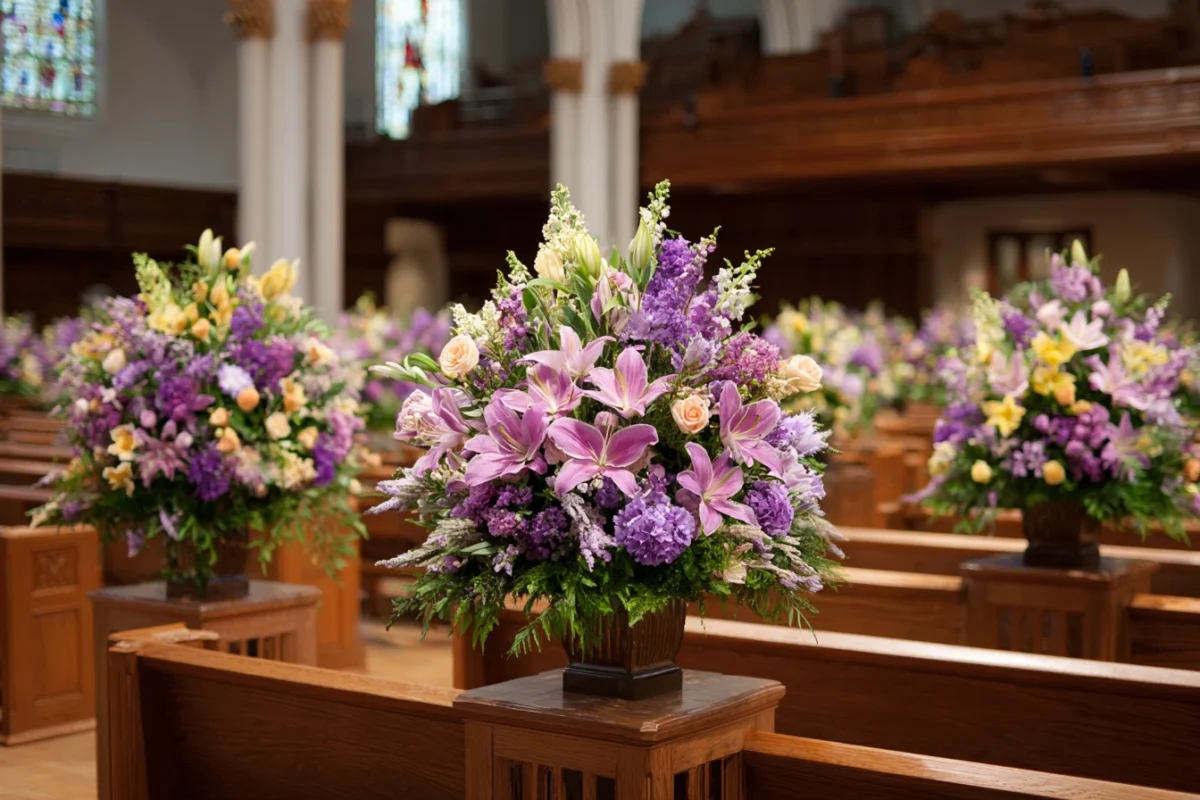
Thus, lilies serve as poignant symbols in funeral arrangements, embodying the universal themes of loss, healing, and transcendence. Their delicate beauty and profound meanings resonate with those who are mourning, offering comfort during a time of profound sorrow. Understanding the symbolism of lilies in the context of funerals not only enriches one’s appreciation for these flowers but also enhances the emotional impact of the ceremony itself.
Choosing the Right Liles for Funeral Arrangements
Selecting suitable liles for funeral arrangements involves careful consideration of various factors that reflect the personality and preferences of the deceased, as well as the emotional tone intended for the service. Liles are not only beautiful flowers but are also rich in symbolism, representing purity, renewal, and the transition from life to the afterlife, making them a poignant choice for such solemn occasions.
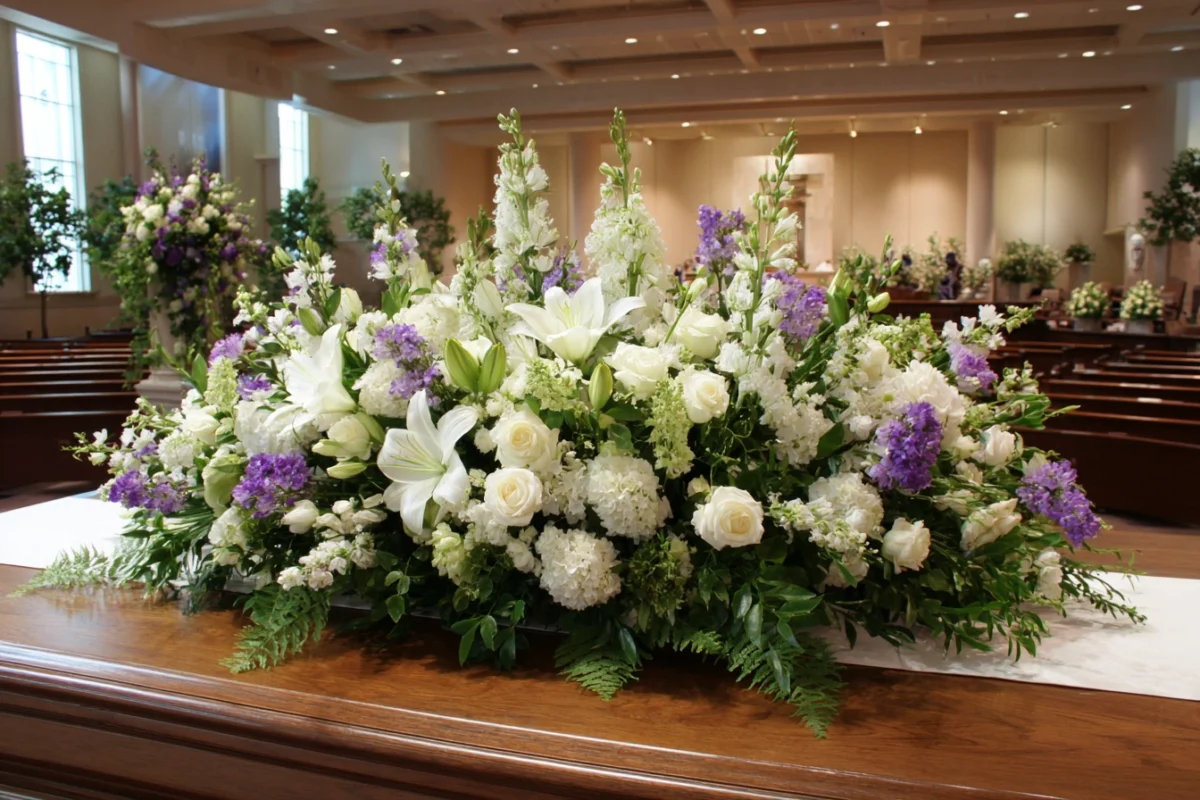
First and foremost, consider the deceased’s personality. For example, if they had a vibrant, outgoing nature, bright colored liles such as orange or yellow could encapsulate their spirit. Conversely, white liles may be more appropriate for those who were gentle and reserved, expressing purity and simplicity. Understanding the individual characteristics of the deceased can assist in selecting liles that hold personal meaning and convey the desired sentiment.
Next, evaluating the emotional tone of the funeral is essential. The choice of liles should align with the overall feeling you wish to evoke among the attendees. A tranquil and reflective environment can be achieved with soft-hued liles combined with other subtle flowers, while a more celebratory remembrance could utilize bold colors and dynamic arrangements. Combining liles with complementary flowers, such as roses or daisies, can enhance the arrangement, allowing for a more diverse expression of emotions, from mourning to celebration of life.
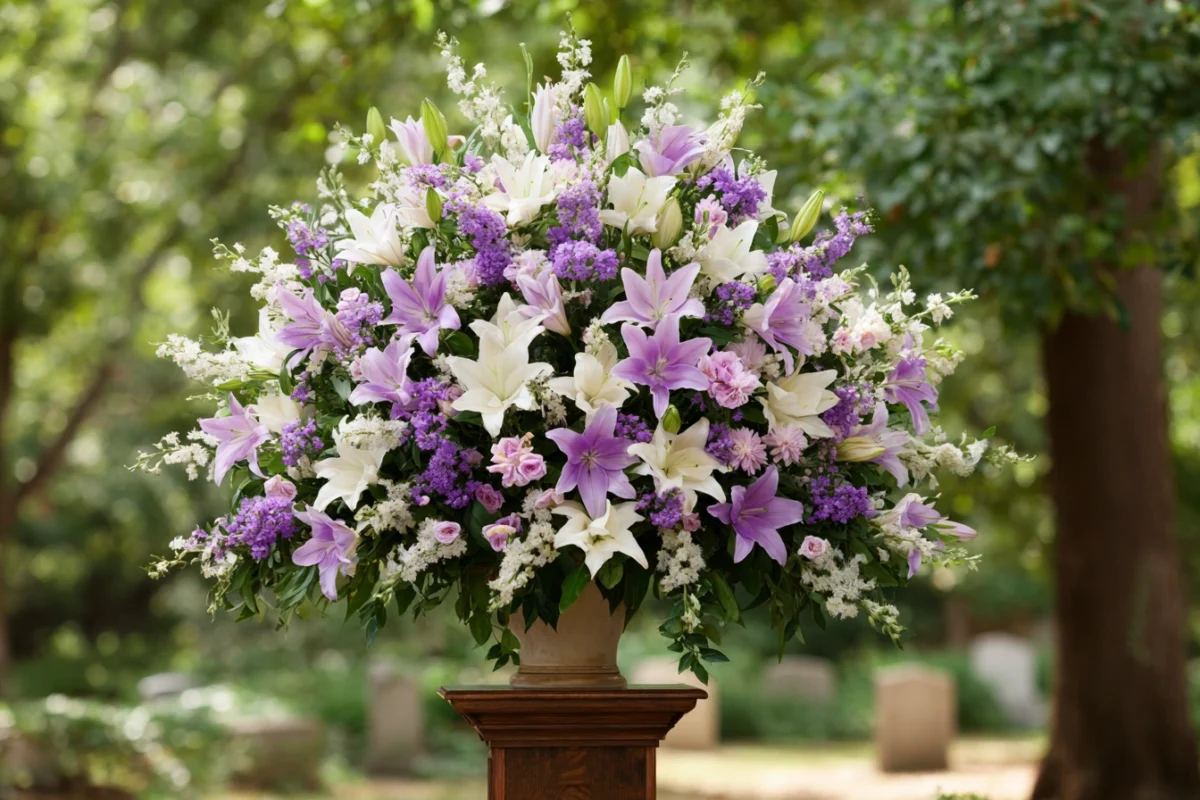
Color selection is also pivotal when it comes to funeral liles. Traditionally, white signifies peace and innocence, while shades of purple often symbolize devotion and dignity. Consider incorporating various shades to create depth and texture, while also honoring the personal preferences of the deceased when possible. By thoughtfully choosing the type and combination of liles, one can create a memorable tribute that both respects the individual’s legacy and comforts those grieving their loss.
Liles have held a profound place in the realm of funerary practices around the globe, often symbolizing the purity of the soul and the promise of eternal life. In many cultures, liles are more than just flowers; they embody deep-seated beliefs relating to grief, remembrance, and the celebration of life, adapting their meaning and significance based on the cultural backdrop.
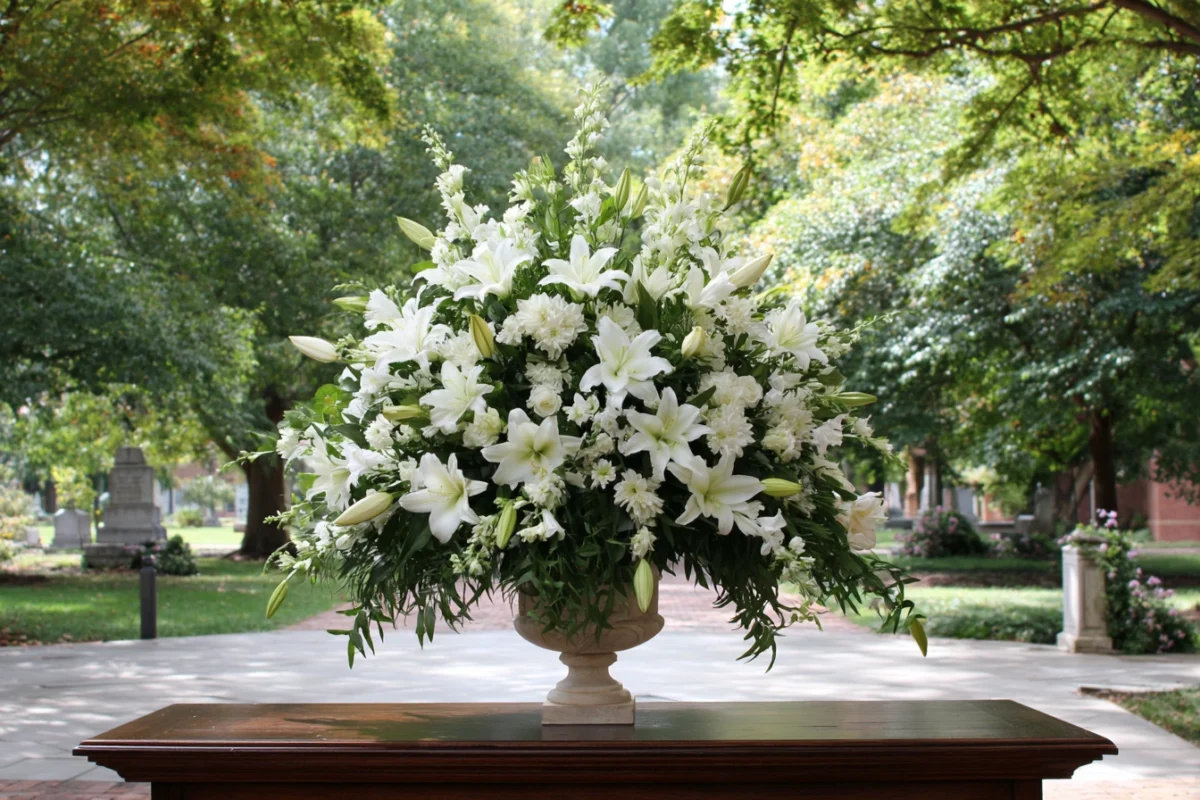
In ancient Greek traditions, liles were utilized in funeral rites as symbols of renewal and the divine connection between the earth and the afterlife. They adorned the graves of the deceased, reflecting a hope for rebirth, whilst offering solace to the grieving family through their association with beauty and fleeting life. In a similar vein, the Celts honored the lila as a motif of regeneration and hope, incorporating them into their memorial services in the belief that the flowers facilitated the transition of the spirit to the next realm.
In Asia, particularly in Japan, liles often appear in Buddhist funeral ceremonies, representing purity and a peaceful departure into the afterlife. They are used to adorn altars and as part of offerings, signifying respect and remembrance for the departed. This custom underscores the universal cultural significance of liles in commemorating loved ones and acknowledging the cycle of life.
In Western cultures, particularly in the Christian tradition, liles are frequently included in funeral arrangements, symbolizing the resurrection of Christ and the hope for eternal life. Variants such as the white lily convey innocence and the restoration of purity for the soul, reaffirming faith and offering comfort to those mourning a loss.
The use of liles in funerals, therefore, transcends geographic boundaries, illustrating a collective human experience of grief and healing. They serve not only as a means to decorate but also as profound symbols that resonate across different cultures, nurturing an understanding of life, death, and the beauty in memories shared.